
Automated Associate Call-Out
Calling out of work used to be a headache for store associates—they had to track down a manager, wait on hold, and sometimes call multiple times just to make sure their absence was recorded.
I designed a structured IVR system that let associates handle this process quickly and reliably over the phone. By guiding callers through a clear conversation and providing confirmation via SMS or a number, I made the experience smooth, trustworthy, and with containment hitting 77%.
Timeline
4 Months
Project Type
IVR - Interactive Voice Response
Roles
Product/Conversation Designer
The Problem
Store associates who needed to call out of work had to:
Call their store directly
Wait for a manager to answer
Sometimes call multiple times
Risk not getting through at all
Managers had to:
Interrupt store operations
Manually collect information
Log call-outs separately
This was a high-volume, low-complexity task consuming valuable labor time on both sides.
The Opportunity
This was a clear automation candidate because it:
Followed a predictable structure
Required limited data inputs
Needed reliable documentation
200K call out attempts per month
Significant repeat calls due to missed connections
Research & Tuning
Part of my role consisted of building and refining the NLU structure. I needed to design for real language, so before creating new intents, I:
Analyzed existing IVR menu data
Reviewed how associates were already phrasing call-outs
Created new NLU intents to intercept call-out phrases earlier
This reduced friction at the top of the call.
I’m an associate I’m calling out sick
calling out of work
employee absence
I need to call in sick
calling out
I’m an employee calling out sick
Building the Design Logic
Key considerations:
Multiple date phrasing patterns
Numeric ID confirmation
PTO branching logic
Invalid input handling
API failure responses
Re-entry paths without restarting the entire flow
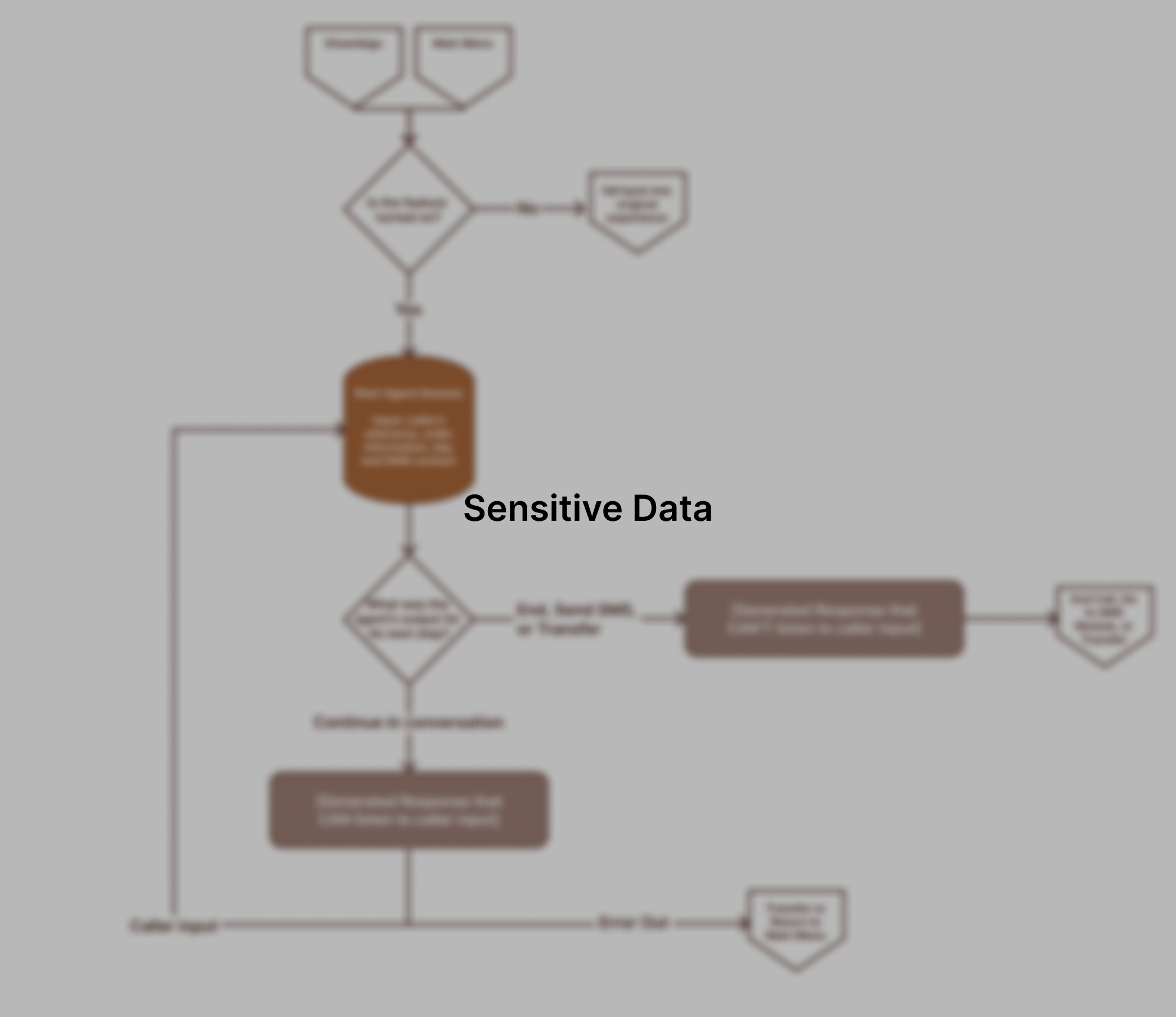
I mapped:
Happy path
Invalid date paths
API failure states
Retry limits
Escalation conditions
This was a deterministic system — clarity and error containment were critical.
Confirmation & Trust
The confirmation experience was critical. After submission:
Caller received a confirmation number
Option to repeat it
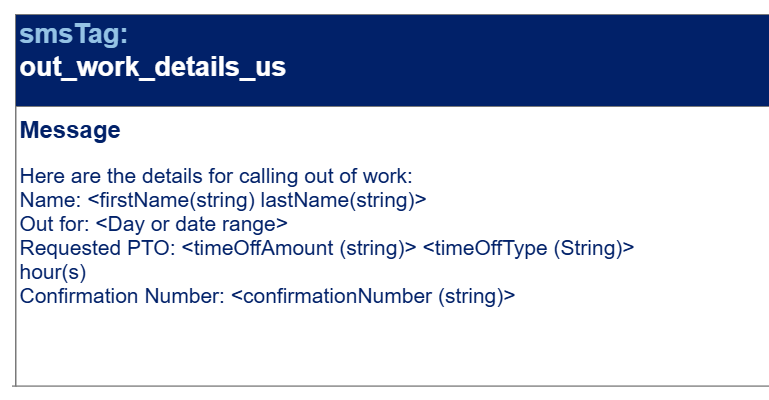
Option to receive SMS confirmation
The confirmation number acted as proof.
I also defined the dynamic SMS that included the:
Sales ID
Date
PTO type and amount
Confirmation number
This wasn’t just automation; it was design that built trust.
Impact
Projected:
100K potential containment
50% containment rate
Actual (2025):
198K monthly calls contained
77% containment rate
That equates to:
Massive reduction in manual interruptions
Significant labor savings
Improved associate experience
Reduced repeat call attempts
This feature turned a friction-heavy task into a structured, reliable system.