
The human in the loop
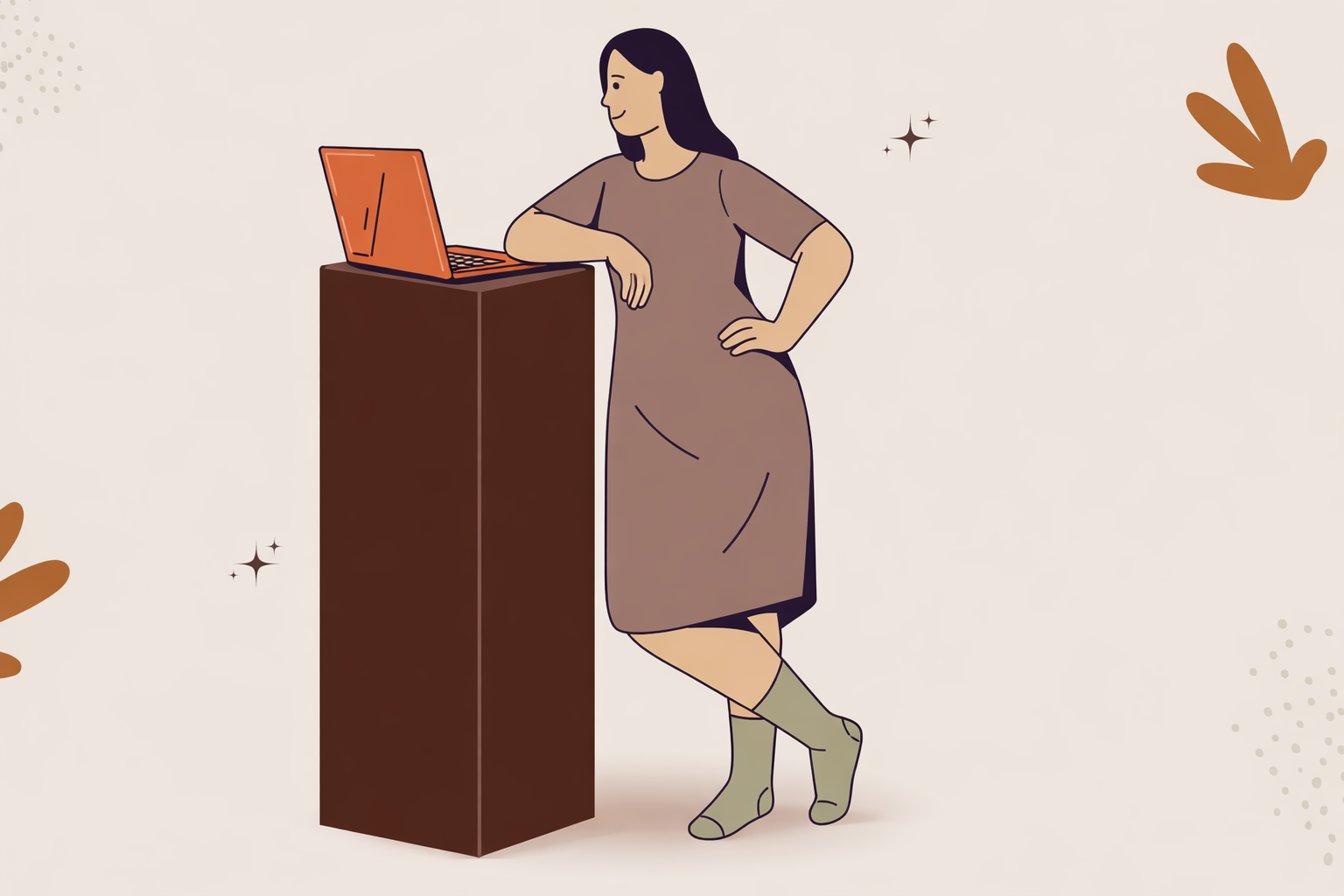
I’m a Texas-based conversational designer specializing in generative AI experiences across chat and voice - crafting systems that feel intuitive, empathetic, and deeply human. My work sits at the intersection of language, technology, and strategy, where I translate complex business needs into natural, seamless interactions that users actually trust and enjoy. I’ve led enterprise-scale transformations, partnered closely with product and engineering, and blurred the lines between design, analysis, and build - always grounding innovation in real human behavior.
Outside of work, I’m a mother of three navigating beautiful chaos, a caretaker to three fur babies, and a motorcycle rider who finds clarity on open roads. That balance of precision and freedom, structure and story, is what shapes the way I design: thoughtfully engineered, but always alive with personality.
Questions About Me
-
Figma, Axure, Lucidchart. Voiceflow, Onereach, Mix, Copilot. Tools are just vocabulary and I've always been a fast reader.
-
Five years. Started small: a startup, a blank canvas, a lot of figuring things out. Now I’ve designed conversations for some of the world's largest companies. The space grew, and so did I.
-
Mistral, Claude, OpenAI. Across each, a handful of models. Different voices, different strengths, each one teaching me something new.
-
Two years. It started with a single response from a single model, a small experiment with a borrowed team. Most recently, I transformed a legacy IVR into an agentic voice agent. The models got smarter and so did the work.
-
It starts with questions - requirements, limitations, what business needs and what engineering can bear. Then I sketch, mapping the invisible logic and reasoning that lives behind a conversation before a single word is written. From there I design, whether that means a decision tree or a carefully engineered prompt, depending on what the project calls for. I never work in a vacuum; I loop in business, product, design, and engineering throughout, and I rely on a trusted set of eyes to catch what I've missed. The process doesn't end at launch. I follow the conversation into production, watching the data to find where people get lost, and I use that to make it better.
-
It started with people. In UX I learned to obsess over how someone feels when they interact with a product - every click, every moment of confusion, every small win. Then AI entered the picture and something clicked. Here was a medium where the interface wasn't a button or a screen; it was language itself. The most natural thing humans do. I wanted to be in that space, making something that didn't just work, but felt effortless for the person on the other end. That mission hasn't changed.
Enough about me — take a look at the work.